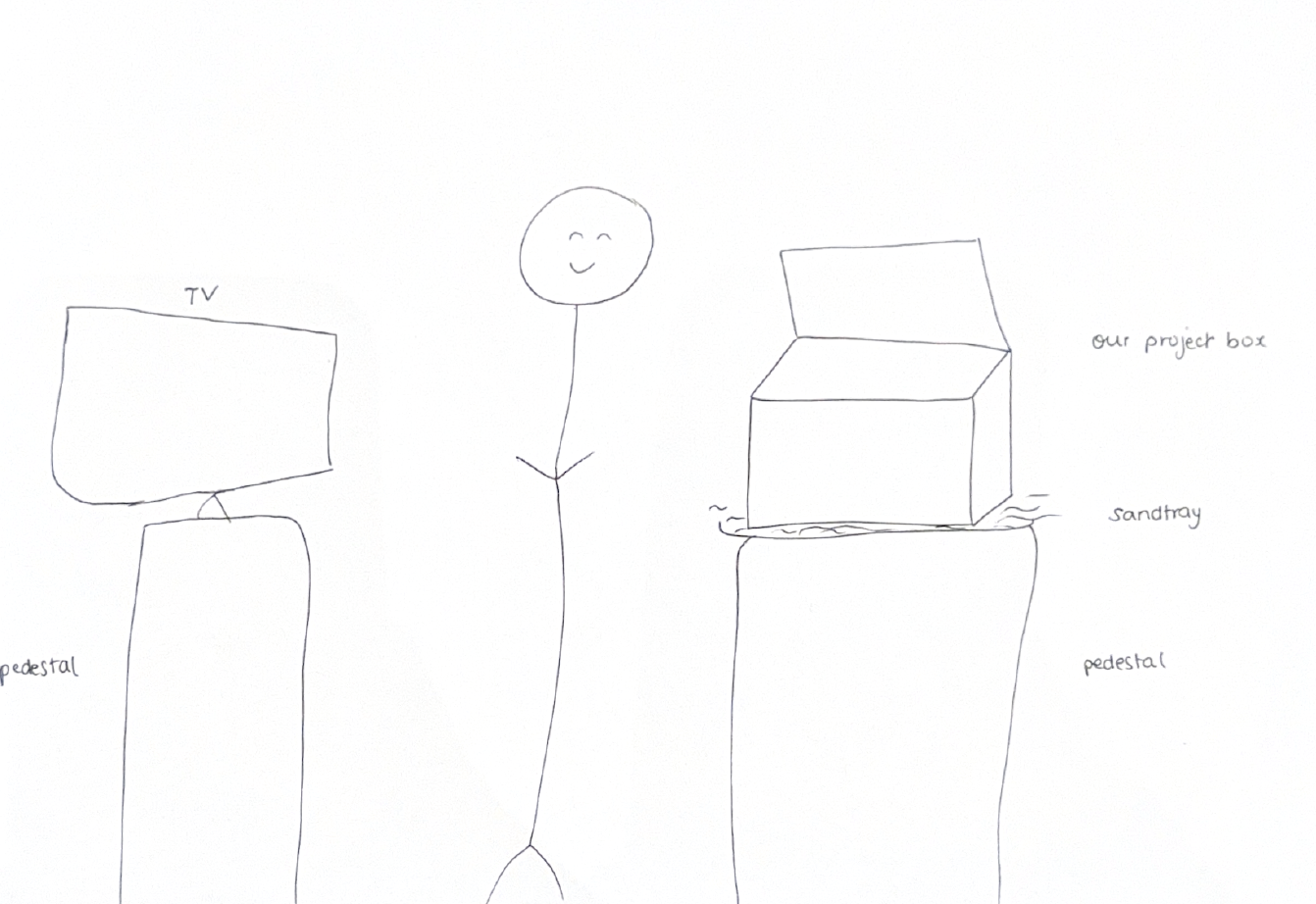
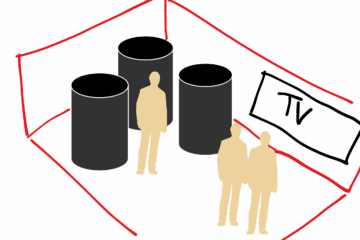
Our group started off strong within the past week, ever since we had a solid idea of what installation we wanted to create we immediately started working, sketching and writing down what we specifically needed to get it done within time.
Fabrication work:
What work have we done?
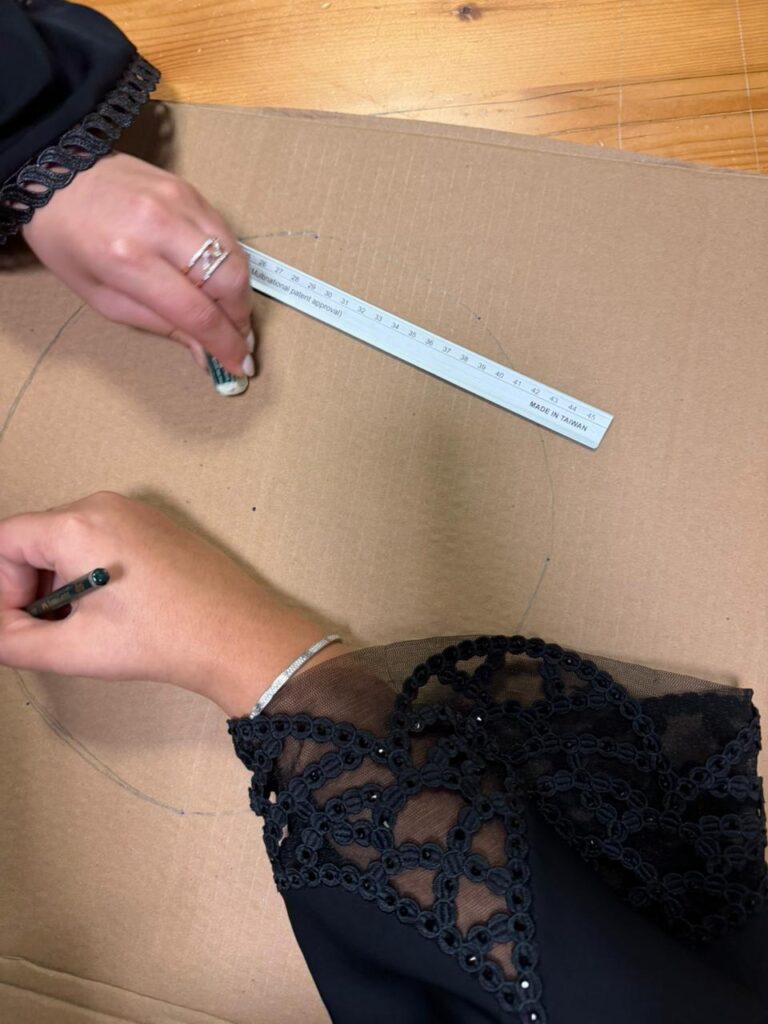
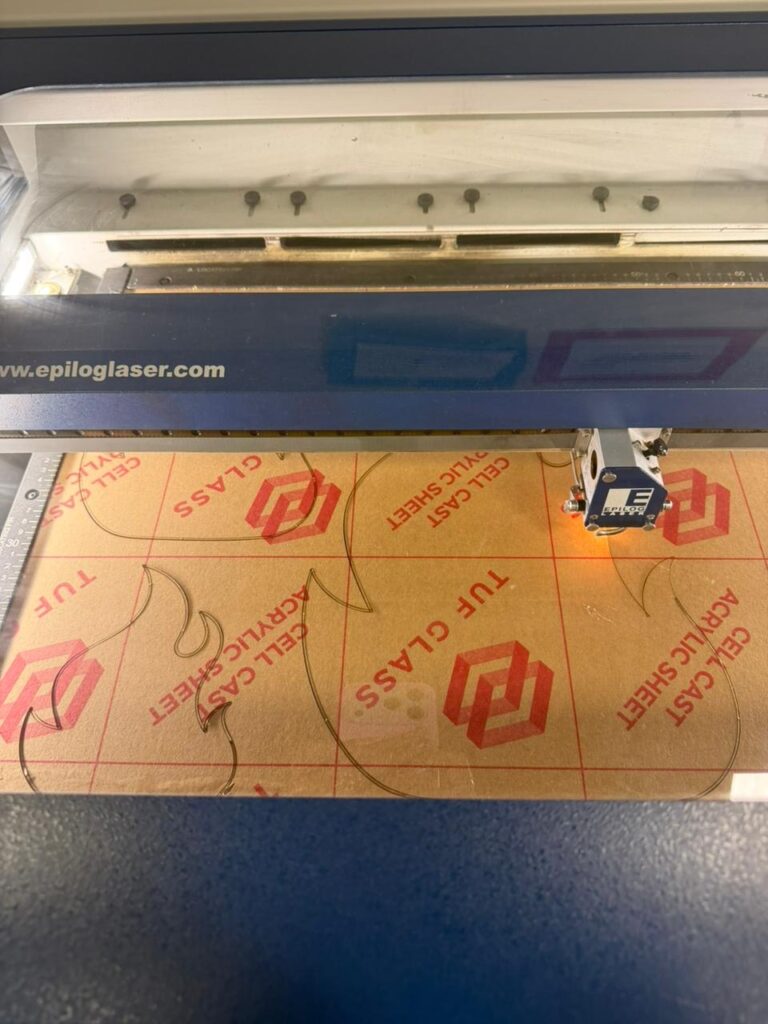
We started out on a regular breadboard, not wanting to commit to the soldered board until we knew the interaction flow was correct and all three pressure sensors would reliably find the seats occupied Figure 1. For the centerpiece, we laser-cut acrylic “flames” and measured the pit with cardboard Figure 2 to lock in a final diameter and mounting points, making sure there’s room underneath for wiring and diffusion.
Figure 1
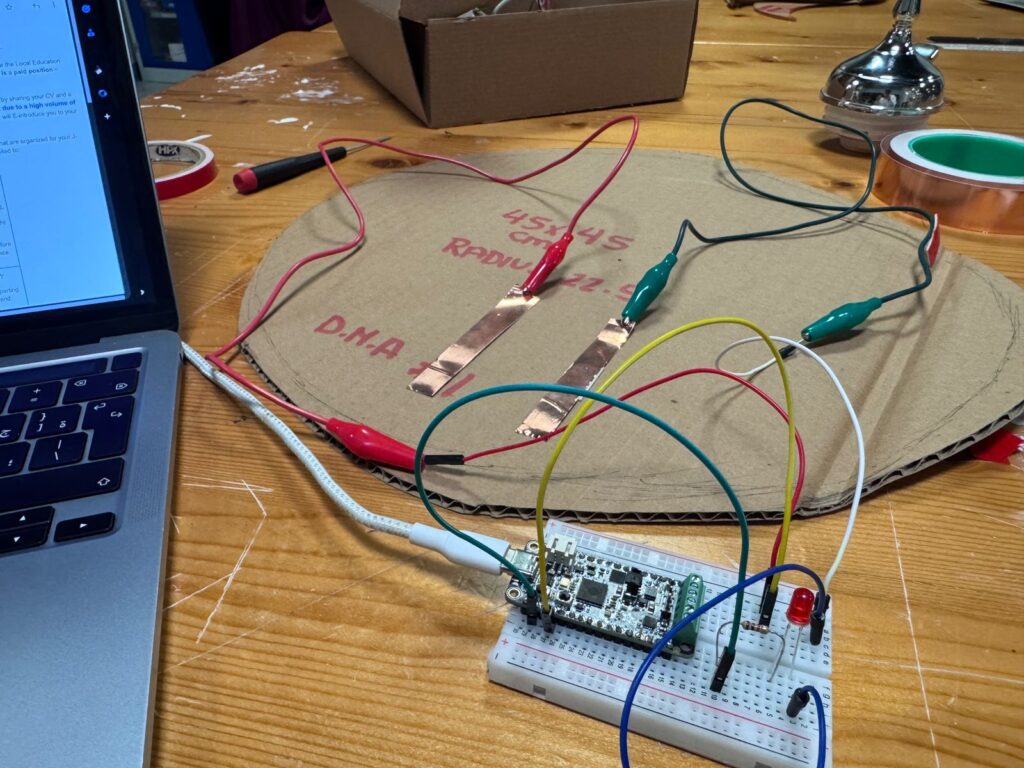
Moreover, we prepared the dallah interaction by affixing copper tape to its base and making two conductive landing pads on the ground plate; the later placing of the dallah on Pad A or Pad B will fire either the story track or the music track. Figure 3.
https://youtube.com/shorts/Xn4oUE_o8AI?feature=share
Figure 3.1.
Technical progress:
Sensor reads are stable on the breadboard, the copper-tape selector registers clean on/off contact, and the microcontroller logic correctly distinguishes between Pad A (story) and Pad B (song) states. Next on the list is integrating the speaker playback (audio amp + file triggering) and driving the LED strips around the seats for the invitation/steady/ember states. Once those are in, we’ll migrate the circuit to a soldered breadboard, finalize cable routing under the pit base, and tune thresholds/brightness for outdoor conditions.
Problem We’ve Faced:
1. Code and Electronics Issues
Initially, our code worked correctly with both the NeoPixel ring and the pressure sensor. However, after some time, the system stopped functioning properly the serial monitor stopped printing data correctly, and the NeoPixel ring stopped lighting up. To troubleshoot, we rewrote the code from scratch and discovered that the breadboard itself had some connectivity issues. After replacing the breadboard, the connections became more reliable.
2. CircuitPython Board Malfunction
We also faced a problem with the CircuitPython board. It began blinking a red light, which indicated an error state and prevented it from reading inputs properly. Despite several attempts to reset and reflash the board, the issue persisted. Eventually, we decided to replace the board entirely, which resolved the problem.
3. Laser Cutting Adjustments
When working on the laser-cut components, we ran into design and sizing challenges. The initial flame pieces we cut were too large for the intended setup. We adjusted the design and tested smaller versions until we achieved the right fit. We also experimented with two different materials: clear acrylic and white-coated acrylic to compare the appearance and light diffusion Figure 4.
Code Functionality
At the current stage, our code is fully functional and capable of reading and printing data from all three sensors. This confirms that the sensors are properly connected and communicating with the CircuitPython board as expected. Today, we are focusing on fixing the NeoPixel ring on one setup and troubleshooting the speaker on the other to ensure all components are working together smoothly.